City of Los Angeles Roll Off Dumpster Street Permit: How to Apply, What It Costs, and What to Expect
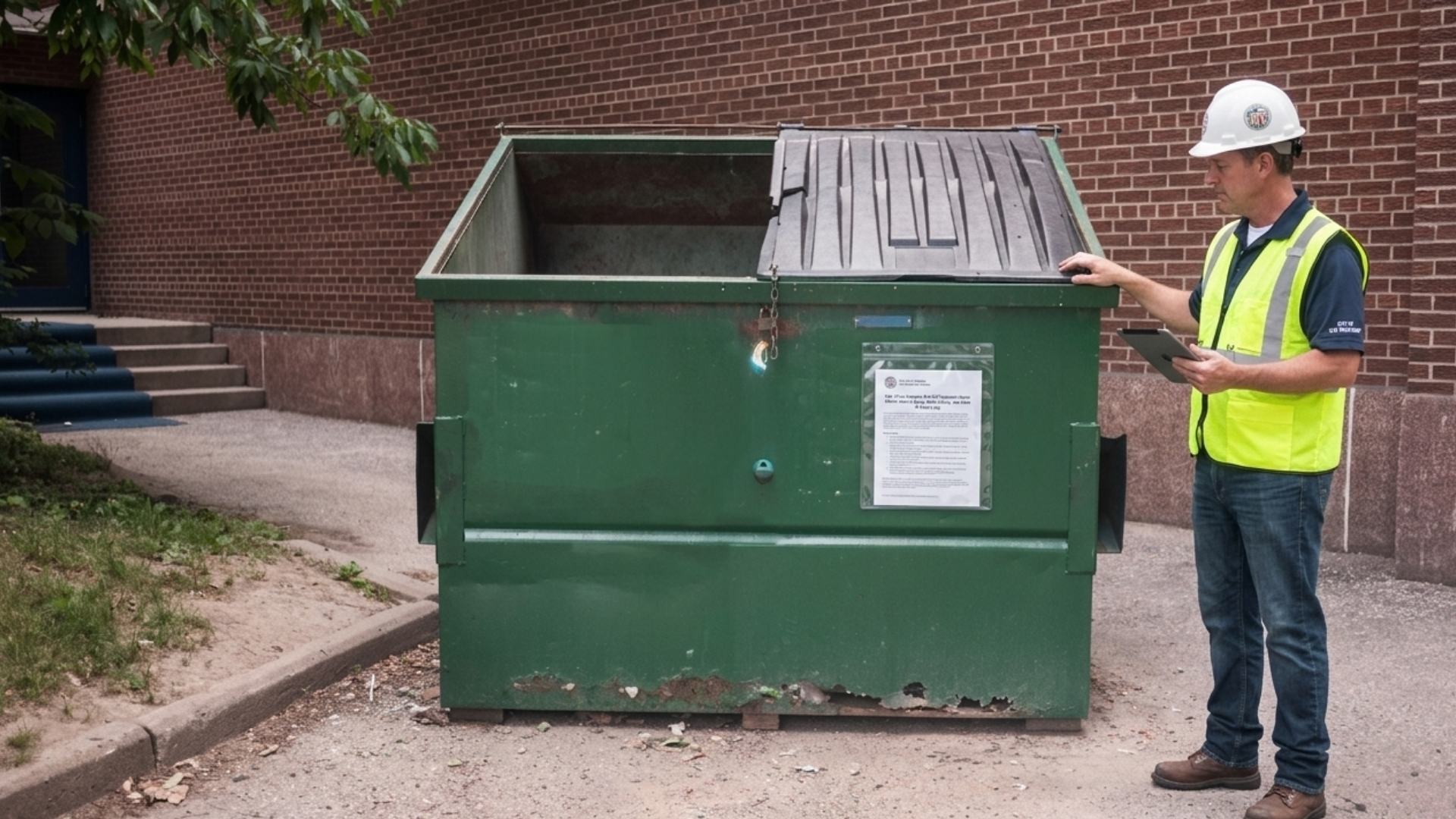
Placing a roll-off dumpster on a public street in Los Angeles is not as simple as calling a rental company and pointing to the curb. The City of Los Angeles roll off dumpster street permit is a formal authorization issued by the Bureau of Street Services that must be in place before any container occupies the public right of way, and understanding the process makes the difference between a smooth project start and an unexpected regulatory setback.
The good news is that the system is well-defined and entirely manageable for anyone who approaches it with the right information. This guide walks through every stage, from the initial application to what happens after the permit is issued, so that residents and contractors can move forward with confidence and no surprises.
Easy Waste Management Takes the Permit Process Off Your Plate
For anyone renting a dumpster in the Los Angeles area, Easy Waste Management handles the street permit process as a built-in part of the service. Rather than navigating the Bureau of Street Services application on your own, Easy Waste Management manages the permitting directly, ensuring that every container they place in the public right of way is fully authorized before it arrives at your curb.
The Most Efficient Way to Get a Permitted Container on the Street
There is no simpler or more reliable path to a compliant street placement than booking through Easy Waste Management. Their team knows the city's requirements at every level, submits permit applications correctly the first time, and coordinates delivery around the permit timeline so that customers never face a gap between when the container arrives and when the authorization is valid. For any homeowner or contractor who wants the job done right without handling the paperwork themselves, Easy Waste Management is the clear choice.
Why a Street Permit Is Required in the First Place
The Bureau of Street Services manages thousands of miles of public infrastructure across Los Angeles, including streets, curb lanes, parkways, and sidewalks. Any temporary obstruction of that space, including a roll-off dumpster, requires formal authorization to ensure that safety, access, and legal accountability are all maintained throughout the placement period.
Protecting Public Safety and City Infrastructure
The permit system exists to prevent conflicts between dumpster placements and other street uses, including emergency vehicle access, utility maintenance, and pedestrian flow. A container placed without authorization can block fire hydrants, obstruct sightlines at intersections, or interfere with scheduled street work. The permit process ensures that reviewers can flag those conflicts before a container is ever set down.
Beyond immediate safety, the permit creates a legal record tying the container to a specific address, a specific rental company, and a specific time window. That record protects both the city and the permit holder in the event of any dispute, complaint, or incident during the placement period.
Who Is Required to Obtain a Permit
Any person or entity intending to place a roll-off container, construction bin, or similar large receptacle in the public right of way within the City of Los Angeles must obtain a street permit before placement. The obligation applies equally to individual homeowners managing a weekend cleanout and general contractors running a multi-month commercial build.
Private Property Placement as an Alternative
The permit requirement is triggered by location, not by the type of project. A container placed entirely on private property, such as in a driveway or on a private lot, generally does not require a Bureau of Street Services permit. When private placement is not practical due to site constraints, project volume, or access limitations, a street permit becomes mandatory. There is no grace period and no informal arrangement recognized by the city as a substitute for a valid permit.
How to Submit Your Permit Application
The application process begins at the Bureau of Street Services, which accepts submissions both through its online permitting portal and in person at the Public Works Counter at City Hall East. Online submission is the faster option for most applicants, as it allows for status tracking without follow-up calls and eliminates the need to visit a city office during business hours.
What Information You Need to Have Ready
Before opening an application, gather the following:
- Full property address where the container will be placed
- Container dimensions (length, width, and height)
- Planned placement and removal dates
- Name and contact information of the rental company
- A placement diagram showing the container's position relative to the curb, driveways, fire hydrants, and intersections
Having all of this information on hand before starting the application prevents the most common source of early delays. Incomplete submissions are returned to the applicant for correction, which can add multiple business days to the review timeline.
Once the application is submitted with a complete diagram and accurate dimensions, it enters the BSS review queue. Reviewers assess the proposed placement against the city's clearance and safety standards and either issue the permit, request additional information, or flag a conflict that requires the applicant to propose an alternate location or date.
Permit Costs and Fee Structure
Permit fees for roll-off container placements are assessed based on the size of the container and the duration of placement. Fees are set by the Bureau of Street Services fee schedule, which is updated periodically. The table below reflects typical residential fee ranges, though applicants should always verify current rates directly with the Bureau before budgeting.
Typical Fee Ranges for Residential Street Permits
|
Permit Duration |
Container Size |
Estimated Fee Range |
|
Up to 7 days |
Small (under 15 yards) |
$50 to $75 |
|
Up to 14 days |
Small (under 15 yards) |
$75 to $100 |
|
Up to 7 days |
Large (15 yards and above) |
$75 to $110 |
|
Up to 14 days |
Large (15 yards and above) |
$100 to $150 |
|
Renewal (per period) |
Any size |
$50 to $100 |
Fees for commercial placements, placements in high-traffic corridors, or locations requiring additional traffic control measures may be assessed at higher rates. The permit fee is separate from any cost charged by the dumpster rental company and is paid directly to the city at the time of application.
Placement Requirements and Safety Standards
The Bureau of Street Services evaluates every permit application against a standard set of clearance and safety requirements. The most critical involve minimum distances from specific street features. Containers must maintain at least three feet of clearance from fire hydrants, fifteen feet of clearance from marked crosswalks, and must not block access to any driveway, bus stop, or ADA-accessible ramp.
Nighttime Visibility and Marking Requirements
Any container placed in the public right of way must be equipped with reflective markings on all four sides. When a container is adjacent to or within a travel lane, orange safety cones or reflective delineators must be placed at each corner during nighttime hours. These requirements are not optional, and failure to maintain them during the permit period is treated as a violation independent of whether the permit itself was validly issued.
Container placement must not reduce the usable travel lane width below the city's minimum standard for the street classification in question. On residential streets, this typically means maintaining at least ten feet of unobstructed lane width on each side of the container. Reviewers check this calculation as part of the standard application review, but the responsibility for maintaining compliance during the placement period falls on the permit holder.
How Long the Application Process Takes
For straightforward residential applications involving a single container at an address with no existing street conflicts, the Bureau of Street Services typically completes its review within one to three business days of receiving a complete submission. Applications that raise questions, involve complex placements, or are submitted during high-volume periods may take longer.
Building in Adequate Lead Time
Applicants should plan to submit at least five business days before the intended placement date to account for review time and any back-and-forth over clarification requests. Attempting to obtain same-day or next-day permits is possible in some cases but is not a reliable plan for project scheduling. The most dependable approach is to treat permit procurement as the first step in the project timeline rather than a last-minute administrative task.
Common Reasons Applications Are Delayed or Denied
Incomplete application forms are the most frequent cause of review delays. Missing container dimensions, imprecise placement diagrams, or incorrect address formats all trigger reviewer requests for additional information, each of which pauses the clock and resets the processing timeline. Submitting a complete, accurate, and clearly drawn application from the outset eliminates this risk almost entirely.
Street Activity Conflicts and Registration Issues
Conflicts with existing permitted street activity are the second most common cause of delays. If the proposed placement dates overlap with utility excavation, a city event, or another permitted obstruction at the same location, BSS will flag the conflict and ask the applicant to propose alternate dates or a different placement position. Checking the city's street activity calendar before applying is a straightforward way to identify potential conflicts in advance.
A third common issue involves the rental company's standing with the city. The Bureau of Street Services requires that the rental company named on a permit application be registered with the city and carry current liability insurance. Applications naming an unregistered provider are placed on hold until the registration issue is resolved. Using an established, city-registered rental company prevents this category of delay entirely.
Renewals, Extensions, and Permit Expiration
If a project extends beyond the original permitted period, the permit must be renewed before it expires. The Bureau of Street Services generally requires renewal requests to be submitted at least 48 hours before the current permit's end date. Submitting a renewal request on time is a small administrative step that prevents a lapse in authorization.
The Consequences of a Lapsed Permit
A container left in place on an expired permit is in violation of the Los Angeles Municipal Code regardless of how carefully the original permit was obtained. Lapsed permits can result in citation fines assessed to both the property owner and the rental company, and in cases where the violation is flagged during an inspection, the city may issue a removal order requiring the container to be cleared within 24 hours. Monitoring the permit expiration date throughout the project is a straightforward habit that protects against a disproportionately costly outcome.
A Well-Prepared Application Is a Fast-Approved Application
The City of Los Angeles street permit process for roll-off containers is logical, consistent, and entirely navigable for anyone who approaches it prepared. Gather your information before applying, submit a complete and accurate form, use a city-registered rental provider, and submit renewal requests before the current period expires. Follow those steps and the path from application to approved placement is a short one.